How to Check Tire Pressure: A Complete Step-by-Step Guide
Driving on the wrong tire pressure is one of the most common and most avoidable car care mistakes. It quietly wastes fuel, wears out your tires faster, and can even cause a dangerous blowout on the highway.
The good news? Learning how to check tire pressure takes less than five minutes, and you don’t need to be a mechanic to do it right.
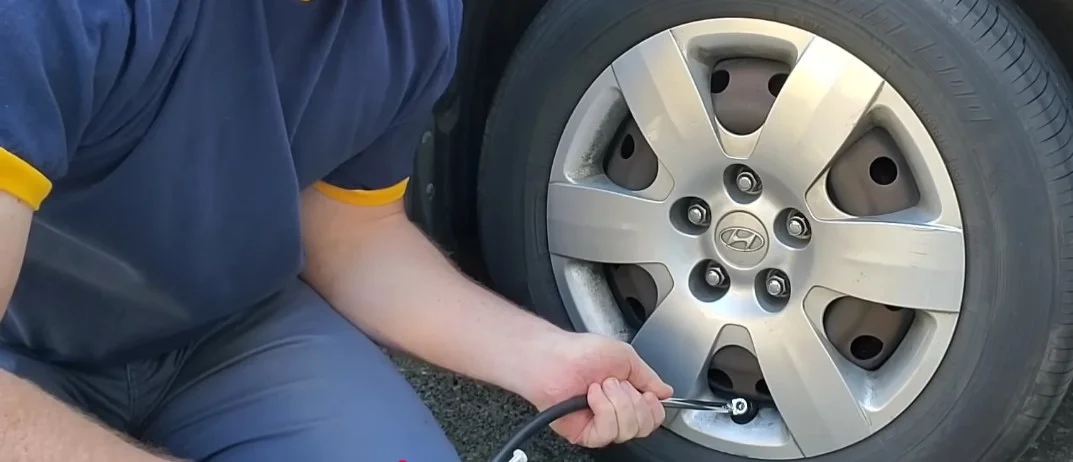
In this guide, you’ll learn exactly how to check your vehicle tire pressure, what PSI for tires actually means, how to read a tire pressure chart, and what to do if your tire pressure monitoring system (TPMS) light comes on. We’ll also cover what to do if you don’t have a gauge handy.
Read Also:
How to Change a Tire
How to Change a Flat Tire
How Long Does It Take to Change a Tire?
Why Checking Tire Pressure Matters
Before we get into the steps, it helps to know why this small habit makes such a big difference.
- Safety – Wrong pressure increases the risk of a tire blowout, especially at highway speeds.
- Fuel efficiency – Underinflated tires create more rolling resistance, which burns more fuel. Fuel efficiency and tire pressure are directly linked.
- Tire lifespan – Both underinflated tires and overinflated tires wear unevenly and need replacing sooner.
- Handling and braking – Correct pressure keeps your tire’s contact patch even, giving you better grip and shorter stopping distances.
A tire that “looks fine” can still be 20–30% underinflated. That’s why you should never judge pressure by sight alone you need a proper check.
What You Need to Check Tire Pressure
Gathering the right tools makes the job quick and accurate.
- A tire pressure gauge (stick, dial, or digital)
- Your owner’s manual tire specs or the tire pressure placard (driver’s door sticker)
- An air compressor for tires or access to a gas station air pump
- A pen and paper, or a tire pressure app to record readings
You don’t need to buy anything expensive. A basic digital tire pressure gauge costs less than $10 and is more accurate than eyeballing it.
Step-by-Step: How to Check Tire Pressure With a Gauge
Step 1: Check Tires When They’re Cold
Always check cold tire pressure meaning the car hasn’t been driven for at least three hours, or has traveled less than a mile. Driving heats up the air inside the tire and raises the reading, giving you a false number.
The best time of day to check tire pressure is early morning, before you’ve driven anywhere.
Step 2: Find Your Recommended Tire Pressure
Every vehicle has a specific recommended tire pressure, and it’s not the number printed on the tire’s sidewall (that’s the tire’s maximum pressure, not the ideal one).
You’ll find your car’s correct number in one of these places:
- The tire pressure placard inside the driver’s door jamb
- Your owner’s manual tire specs page
- The vehicle manufacturer’s website
This is where you’ll also find tire pressure recommendations by vehicle, since front and rear tire pressure often differ. Many sedans, for example, run lower pressure in the front than the rear because of weight distribution.
Step 3: Remove the Valve Cap
Unscrew the small black or silver cap from the tire’s valve stem and set it somewhere you won’t lose it.
Step 4: Press the Gauge Onto the Valve Stem
Push the gauge firmly onto the valve stem until the hissing sound stops. A short hiss during placement is normal; a long hiss means air is escaping and you need a tighter seal.
- A stick gauge will push out a small bar with numbers printed on it.
- A dial gauge shows the reading on a round face.
- A digital tire pressure gauge displays the number on a screen usually the easiest to read.
Step 5: Record Each Reading
Write down the PSI for all four tires, plus your spare tire pressure if you’re doing a full check. Comparing each number to your tire pressure chart tells you exactly which tires need air.
Step 6: Add or Release Air as Needed
- If pressure is too low: attach an air compressor and add air in short bursts, checking often.
- If pressure is too high: press the small pin inside the valve stem briefly to release air, then recheck.
Refill until each tire matches the correct tire pressure listed on your placard not the maximum number on the tire sidewall.
Step 7: Replace the Valve Cap
This keeps out dirt and moisture, which can damage the valve over time.
How to Check Tire Pressure at a Gas Station
Most gas stations have a coin-operated air compressor for tires. Here’s how to use one:
- Park close enough that the hose reaches all four tires.
- Insert coins or a card to activate the pump.
- Attach the hose to each valve stem the same way you would with a gauge — most pumps have a built-in gauge.
- Fill slowly and check the reading between bursts of air.
One thing to know: gas station air pumps often measure “hot” tires if you’ve just driven there. If you must adjust pressure while tires are warm, add about 4 PSI above your recommended cold pressure, then recheck once the tires cool down.
How to Check Tire Pressure Without a Gauge
Don’t have a gauge on hand? These backup methods aren’t as accurate, but they can help in a pinch:
- Visual check – Compare each tire’s bulge at the bottom. A visibly flatter tire likely needs air.
- Push test – Press down firmly on the tire’s sidewall with your hand. A tire that feels soft or gives easily is probably underinflated.
- TPMS dashboard warning – If your car has a tire pressure monitoring system (TPMS), a dashboard light will alert you to low pressure automatically.
- Coin test – Some drivers place a coin against the tire to judge tread flattening under low pressure, though this mainly checks tread wear, not PSI.
These tricks only give a rough idea. For an exact number, always follow up with a real gauge as soon as possible.
Understanding PSI and Pressure Units
PSI meaning: PSI stands for “pounds per square inch,” the unit used to measure tire inflation pressure in the US. Some countries and gauges use “bar” instead.
Bar vs PSI conversion: 1 bar equals roughly 14.5 PSI. So if your vehicle’s manual lists 2.2 bar, that converts to about 32 PSI a very common setting for passenger cars.
Why Is My Tire Pressure Light On?
The TPMS light (usually shaped like a horseshoe with an exclamation mark) means at least one tire has dropped below the recommended pressure. Causes include:
- A slow, gradual leak
- A temperature drop (cold weather lowers PSI)
- A puncture from a nail or road debris
- A faulty TPMS sensor
How to Reset the TPMS Light
- Inflate all tires to the correct PSI first.
- Drive at 50 mph or higher for about 10 minutes many systems reset automatically.
- If it doesn’t clear, hold the TPMS reset button (usually under the steering wheel) until the light blinks three times.
- If the light stays on after inflating correctly, have a shop scan the TPMS sensor for faults.
Signs of Tire Pressure Problems
Tire Pressure Too Low Symptoms
- Car feels sluggish or harder to steer
- Increased fuel consumption
- Tire looks visibly bulged at the bottom
- Uneven wear on the outer edges of the tread
Tire Pressure Too High Symptoms
- Bouncy, harsh ride quality
- Reduced traction, especially in rain
- Wear concentrated in the center of the tread
- Higher risk of tire blowout from impacts with potholes
Tire Pressure for Hot vs. Cold Weather
Tire pressure changes with temperature roughly 1 PSI for every 10°F change. That means:
- Cold weather: Pressure drops, so check more often in winter and top up as needed.
- Hot weather: Pressure rises as the air inside expands; avoid overfilling on hot summer days.
This is exactly why manufacturers base their numbers on cold tire pressure — it removes temperature as a variable.
How to Check Tire Pressure on Different Vehicles
- Car or SUV: Follow the standard gauge method above; check all four tires plus the spare.
- Truck: Many trucks have different front and rear tire pressure settings, especially when towing or hauling heavy loads check your owner’s manual for load-specific PSI.
- Motorcycle: Motorcycles are far more sensitive to pressure changes; even 2–3 PSI off can affect handling. Check before every ride, since bikes lose pressure faster relative to their smaller tire volume.
Nitrogen vs. Air in Tires
Some shops fill tires with nitrogen instead of regular air. Nitrogen molecules are larger, so they leak out more slowly and are less affected by temperature swings. It’s not required, but it can mean slightly less frequent top-ups. Regular air works fine for most drivers and is free at most gas stations.
Tire Safety Checklist
Use this quick checklist once a month:
- Check cold tire pressure on all four tires
- Check the spare tire pressure
- Compare readings to your tire pressure chart or door placard
- Inspect tire tread depth using a coin or tread gauge
- Look for uneven wear, bulges, or embedded debris
- Reset the TPMS light if needed after adjusting pressure
How Often Should You Check Tire Pressure?
At least once a month, and always before a long road trip. Check more often during seasonal temperature swings, since cold tire pressure drops noticeably in winter.
FAQ’s
How often should you check tire pressure?
Check your tires at least once a month and before any long drive. Sudden temperature changes are a good extra trigger to check again.
What is the correct tire pressure for my car?
It’s whatever number is listed on your tire pressure placard (driver’s door jamb) or in your owner’s manual tire specs not the number on the tire’s sidewall.
Where can I find the recommended tire PSI?
Look inside the driver’s door frame, in your owner’s manual, or on the manufacturer’s website under tire pressure recommendations by vehicle.
How do I check tire pressure at a gas station?
Use the coin-operated air compressor for tires, attach the hose to each valve stem, and fill slowly while checking the built-in gauge between bursts.
Why is my tire pressure light on, and how do I turn it off?
It usually means one or more tires are underinflated. Fill each tire to the correct PSI, then drive for about 10 minutes at 50+ mph, or hold the TPMS reset button until the light blinks.
Final Thoughts
Checking your tire pressure is a small task that protects your safety, your fuel budget, and your tires’ lifespan. With a simple tire pressure gauge, five spare minutes, and your car’s recommended tire pressure on hand, you can catch problems before they turn into a blowout or an expensive tire replacement.
Make it a monthly habit check it cold, compare it to your tire pressure chart, and adjust as needed. Your car (and your wallet) will thank you.

Mason Carter is an automotive technician helping drivers master tire maintenance with clear, practical guides. With years of hands-on experience, he breaks down complex tire care into simple, actionable steps for every skill level.
Through HowToChangeATires.com, Mason simplifies complex automotive concepts into clear, actionable guides that empower vehicle owners to take control of their maintenance. Whether you’re a first-time tire changer or looking to refine your skills, Mason’s detailed tutorials and expert tips ensure you have the knowledge and confidence needed for the job.
1 thought on “How to Check Tire Pressure”