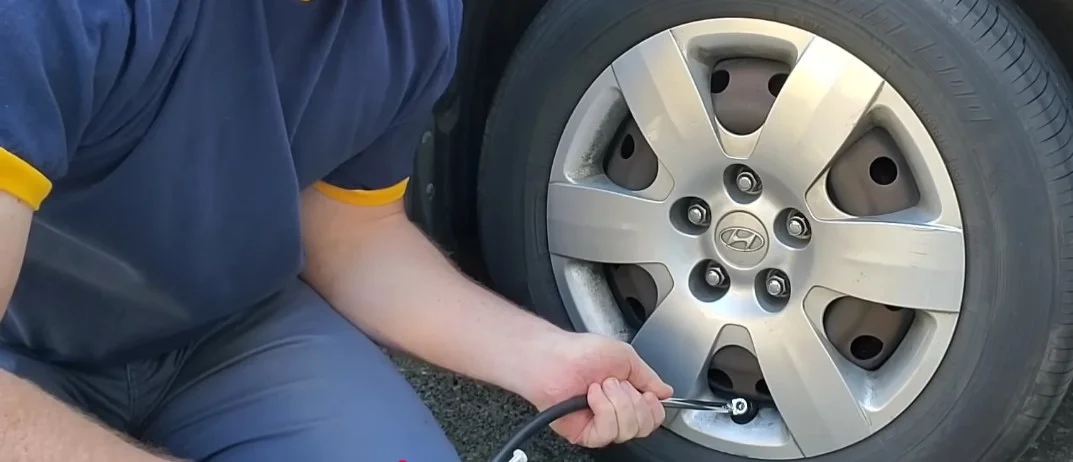
How to Check Tire Pressure

Most drivers ignore their tire pressure until something feels wrong. That’s the mistake checking tire pressure should be effortless, yet remains misunderstood. The real problem? People confuse the maximum tire pressure stamped on the sidewall with their vehicle’s recommended tire pressure, which lives on a sticker inside your driver’s door or owner’s manual. These numbers differ dramatically, and that distinction matters.

Whether you’re using a digital gauge from your glove compartment, a standard gauge with a bar indicator, or borrowing one from the gas station, you need accurate readings. The process itself is straightforward: find your recommended PSI, check tire pressure when tires are cold first thing morning or after the vehicle has parked for three hoursand verify all four tires, including your spare tire. 

Temperature shifts your tire pressure by several pounds per square inch seasonally, overinflated tires kill traction and accelerate tread wear, while underinflated ones drain fuel economy and risk blowout. This monthly ritual takes minutes but determines your vehicle’s handling, safety, and efficiency.

 Tools/Items Needed When Checking Tire Pressure

The foundation of effective tire maintenance hinges on assembling the right instruments before you begin. A tire gauge remains non-negotiable whether you opt for a basic dial model or invest in a digital version with an onscreen reading, consistency matters more than cost. Beyond the gauge itself, you’ll need access to a valve stem on each tire, which requires removing the valve cap (often a simple plastic piece you can unscrew by hand). Many people overlook the air pump or air compressor either a portable tire inflator for emergencies or the standard equipment found at your local gas station.

The hose with its nozzle attachment becomes your delivery system, and understanding how to press it firmly without losing precious air is where experience trumps instruction manuals. I’ve found that keeping a small pen or key handy helps dislodge stubborn valve caps, while some prefer using a fingernail for quick access without additional tools.

What separates competent checkers from careless ones is preparation of these resources before approaching your vehicle. Your tire gauge whether borrowed from a friend or purchased as a quality instrument worth a few dollars, should be tested beforehand for accuracy. Having a gauges backup or understanding your air compressor’s specific operation prevents the frustration of discovering equipment malfunctions mid-check. The tire pressure monitoring system (TPMS) in modern vehicles provides reference points, but physical verification demands your own tire gauge as the ultimate arbiter. A professional technician once told me that half the battle involves simply knowing where each tool lives in your workspace before the cold morning arrives and pressure readings demand immediate attention. Gathering these items gauge, hose nozzle, valve caps, and pressure-reading equipment transforms what could be chaotic into methodical, allowing you to measure with confidence and compare results across all four tires without scrambling for missing pieces.

Best Practices for Accurate Readings

Your tire pressure monitoring routine should become as habitual as checking your mirrors. The best practice I’ve found over years of vehicle maintenance is to park at least a few hours after driving and use the same tire gauge consistency matters more than you’d think. When you’re ready, unscrew the plastic caps from your air valves, and this initial moment reveals something important: pressure varies significantly based on how recently you’ve driven. I always wait at least three hours before taking readings because tires cool down substantially, giving you accurate baseline measurements rather than inflated figures from residual heat. It’s tempting to check immediately, but those hot readings don’t reflect what you’ll actually work with on the road. Properly inflated tires are fundamentally about safety and performance, so this patience step isn’t optional it’s essential groundwork.

Taking Proper Measurements

Positioning matters more than people realize when you’re trying to capture what’s actually happening inside your tire. Check properly connected gauge pressure by firmly pressing your device onto the valve stem, and you’ll hear air coming briefly as the seal forms. The tire gauge will then display your new PSI readings, which you should immediately match against the manufacturer’s recommended pressure found typically on a label inside your driver’s door jamb. I’ve noticed that many people check just one tire and assume the rest are similar, but I make it a point to reach all four tires, recording each result separately. That all pressure gauges function differently means having your preferred one prevents confusion. Some days you’ll notice the readings have fluctuated throughout seasons this isn’t random; it’s physics responding to ambient conditions around your vehicle.

Understanding Your Readings

Understanding what those numbers actually represent transforms the whole experience from mere routine into informed maintenance. When your tire pressure is at recommended cold inflation pressure, your vehicle’s other tires should align closely with that baseline, typically within 1-2 pounds per square inch of each other. The affects performance, safety, long-term durability aspect becomes visceral once you understand that below recommended specifications, your car’s handling changes noticeably corners feel mushier, stopping feels less responsive. I track my pressures monthly now as my monthly ritual, especially before heading out on long trips, because deviations compound over time. When temperature increases or you’re headed into summer heat, remember that air molecules expand, raising your readings, while cold outside conditions create the inverse effect. This cyclical awareness keeps you ahead of seasonal shifts rather than scrambling to adjust when problems emerge.

How to Find Recommended Tire Pressure

The manufacturer’s recommended pressure isn’t something you need to hunt down from obscure manuals it’s literally living in your car already. Open your car door and glance at the inside driver’s door jamb, where you’ll find a number printed on a label that outlines your vehicle’s exact specifications. This number represents the ideal PSI (pounds per square inch) for your particular make, model, and year of car. What catches most people off guard is that this number printed differs dramatically from the maximum allowable pressure shown on the tire sidewall itself that sidewall figure is the absolute ceiling, not your target. I’ve seen countless drivers inflate to that maximum thinking they’re doing right, only to end up with an uncomfortable ride and premature wear. Your vehicle manufacturer’s specifications are what matter for your safety and tire longevity.

If you’ve misplaced that door label or it’s worn beyond recognition, vehicle manufacturer’s online resources make finding this information effortless today. Simply identify your car’s make, model, and year, then search the manufacturer’s website for tire pressure charts. The tire pressure listed will indicate whether you need different pressures for front rear tires (many vehicles do). Some people also reference their owner’s manual or contact their dealership directly. The critical distinction to remember: properly inflated tires depend entirely on what your manufacturer recommends, not what you assume or what other vehicles use, since weight distribution and suspension design vary significantly between models.

How to Inflate/Adjust Tire Pressure

Understanding when to adjust air pressure requires divorcing yourself from the common practice of checking tires immediately after driving. Most people attach a gauge to their tire pressure valve right after arrival, but this captures a distorted reading the heat generated from friction has artificially elevated internal pressure. I’ve seen this mistake repeated endlessly: drivers add air based on inflated numbers, only to discover their tires are actually over-pressurized. The secret is waiting three hours minimum before attempting adjustments, allowing tires to cool down completely to their cold tire pressure state. During this rest, air molecules settle, and your measurement becomes reliable. Morning readings prove most accurate, particularly before ambient temperatures spike. This patience transforms the entire process instead of repeating adjustments throughout the month because values kept climbing, you achieve genuine equilibrium that holds stable across seasonal fluctuations.

When you’re finally ready to adjust, the actual mechanics demand controlled precision rather than aggressive intervention. Place your gauge firmly against the valve, noting whether your current reading sits below recommended specifications or dangerously above manufacturer guidelines. For deflation, gently press the small nipple to hear that brief hissing I prefer short bursts rather than sustained release, giving you better control as you approach target PSI. Add air incrementally in reverse, pressing firmly to prevent excess escape, and compare results across all four tires since pressure variance often reveals neglected wheels. The real skill isn’t the mechanics it’s recognizing that 10-degree temperature shifts will alter readings, that seasonal transitions demand rechecking, and that a vehicle driven under heavy load or across rough terrain experiences different pressure dynamics than casual commuting. Consistency matters more than perfection; checking monthly prevents the cascade of problems poor handling, compromised cornering, accelerated wear, blowout risk that spawn from underinflated or overinflated conditions.

How to Release Air from Tires / How Do I Know If They Have Enough Air?

The counterintuitive reality most drivers miss is that recognizing improperly inflated tires requires feeling them before measuring them. Run your hand across the sidewalls if they feel excessively hard to the touch, your tires are likely over 10% above recommended levels, creating dangerous conditions where air molecules have expanded beyond intended shape, reducing road contact surface and producing reduced grip. This tactile assessment precedes any gauge work, revealing whether your tires support vehicle’s weight with the right tension or if excess pressure has compromised their ability to absorb road vibrations and shocks. When you detect this over-inflation condition, release becomes necessary locate the small needle or nipple on your air valve, and press briefly to hear air escaping. The trick isn’t aggressive action; gentle release smaller amounts while monitoring by feel prevents overshooting. Approach this methodically: reach toward the bead or back side of the tire, listen for that controlled hiss, and feel air coming out while maintaining awareness that 1-2 pounds per square inch adjustments matter significantly when temperatures fluctuate throughout seasons.

Conversely, recognizing below recommended specifications requires understanding that softer sidewalls and a noticeable larger contact patch indicate under-inflation tires will literally feel less rigid when you press the sidewall, lacking that resistance properly inflated rubber should provide. Under-inflation creates a cascade: the tire loses rigidity, compromises vehicle stability, particularly during cornering, while causing the engine to work harder as the vehicle encounters increased tire load. This condition prematurely wears the rubber and wears down structural integrity, degrades durability, and carries increasing tire failure risk. If you’ve identified this state, adding air is straightforward attach your gauge, determine your target PSI, and incrementally add until the sidewall resistance returns and the tire achieves that critical balance where it no longer flex excessively. The dangerous combination emerges when drivers ignore these signs; pressure that sits too low causes blow out risk during high-speed road contact on poor road surfaces, while recognizing the problem early whether through tactile inspection or getting symbol warnings on newer systems prevents catastrophe. Remember, essential maintenance means checking affects both safety and vehicle performance.

When to Check Tire Pressure / Checking Frequency

From my years working with various vehicles, I’ve learned that the best practice isn’t some rigid schedule it’s understanding the moment when your tires actually reveal their true condition. The best time to grab your gauge is before driving, when your tires have been at rest, ideally 3 hours after the vehicle was last in motion. This matters because tires heat up during use, and measuring them while warm gives artificially elevated readings that don’t reflect reality. I’d ensure you check when the tires air inside is cool and undisturbed, which typically happens overnight or during morning hours before commuting begins.

What many drivers overlook is that checking tire pressure isn’t truly about following a calendar it’s about respecting the necessary rhythms your vehicle experiences. Throughout seasonal shifts, as temperatures rises in summer and drops in winter, your inflation levels fluctuate regardless of your efforts. I’ve found that establishing a routine tire inspections habit works better than waiting for crisis; monthly checks important during stable weather, but you should account for temperature fluctuations more frequently whenever seasons shift. Whether you’re dealing with rough commutes or highway miles, tires that haven’t been measured in weeks are essentially mysteries you genuinely won’t know if they’re supporting your vehicle with optimal tire wear or silently degrading toward early failure.

Effects of Underinflated Tires / How Do Underinflated Tires Affect My Vehicle?

The moment your tires drop below optimal PSI, a cascade of mechanical stress begins that most drivers never consciously recognize until the damage compounds. Operating with tire pressure below recommended levels doesn’t just diminish efficiency it fundamentally alters how your vehicle responds in critical moments, particularly when you need stability most. Hot temperatures amplify this vulnerability; underinflated rubber generates excessive heat through increased friction with the road, causing the sidewalls to overheat and eventually damage the tire edges. What feels like normal driving becomes treacherous skidding emerges unexpectedly on wet surfaces, hydroplaning becomes more probable, and that reassuring sense of grip dissolves into less traction when cornering aggressively. The tread wears unevenly across the width rather than maintaining uniform contact, a pattern that accelerates early aging of the rubber compound and compromises the tire’s structural integrity long before you’d expect replacement.

Beyond the immediate handling chaos lies a subtler degradation that compounds silently with each mile. Poor impact absorption means potholes and road imperfections transfer more harshly through your suspension, straining components that weren’t designed for that level of transmitted force. The overall performance deteriorates in ways that testing reveals far better than perception your vehicle feels sluggish, stopping distances lengthen marginally, and fuel economy mysteriously declines as the engine works harder against underinflated resistance. Regular care through routine checks transforms this invisible threat into managed maintenance; the difference between catastrophic failure and predictable, controlled wear depends entirely on whether you establish the habit of regularly checking pressure and understanding that properly inflated tires aren’t cosmetic luxury but the foundation of automotive safety and longevity.

Tire Pressure Gauge Accuracy

Over fifteen years of working with vehicles, I’ve discovered that selecting the right tire gauge matters far more than most drivers realize. The small bar on a basic gauge or the digital display showing PSI tells you only what that particular instrument reads not necessarily what your tires actually need. The same tire gauge used across multiple cars tends to drift in accuracy; this is why qualified tire professionals insist on consulting manufacturer specifications rather than trusting a single tool. When you go to buy a new gauge, the measurement it provides depends heavily on how the needle sits and whether you’re applying consistent pressure to the air valve. I’ve watched countless customers get frustrated because their air compressors at gas stations gave different readings than home units, only to realize the gauge itself had accumulated dust or internal wear.

What separates correct psi from mere guesswork is understanding that gauge accuracy drifts when tires are hot especially after you’ve been driving versus when they’re cold and parked for at least few hours. The bead of the valve and how you position the gauge’s center against it directly impacts whether you’re getting a true reading or inflated numbers. Before heading on a long trip, I always ask the attendant whether their station’s pump gauge matches my portable one, then note the difference. This small ritual ensures I’m not chasing phantom pressure problems. Your recommended pressure level appears in the small dot area of your doorjamb or manual that’s your baseline but confirming it through multiple gauge checks across different ambient temperature conditions reveals whether your equipment is lying to you or faithfully reporting what those rubber chambers actually contain.

Seasonal and Temperature Considerations

Over the years, I’ve noticed that most tire issues trace back to one overlooked factor: people check their pressure once and forget that air responds dramatically to seasonal shifts. When temperature increases, the molecules inside your tire expand and create higher readings; conversely, cold temperatures cause the air to compress, dropping your PSI noticeably. I’ve seen vehicles that read perfect pressure on a mild spring morning suddenly appear underinflated by winter without a single leak just physics working against your maintenance routine. The real trap is ignoring this reality. You must account for temperature fluctuations throughout the year, especially if you live in climates with dramatic seasonal swings where 40-degree differences between seasons are normal.

What I’ve learned from hands-on experience is that your tire pressure currently sitting at 32 PSI in July might legitimately be 28 PSI in January, and that’s not failure that’s expected. Rather than obsessing over daily readings, develop awareness of when to adjust. Account for changes by checking more frequently during transitional months, and you’ll catch pressure drops before they compound into handling problems or premature wear. For example, someone who waits until December to inspect tires after months of autumn temperature shifts may discover they’re running significantly low. The discipline isn’t complicated: recognize that account for temperature shifts means treating tire maintenance as a seasonal conversation with your vehicle, not a set-it-and-forget-it afterthought.

FAQ’s

What is the best time to check my tire pressure?

Best practice is once a month when vehicle parked at least few hours, or before heading long trip – 3 hours ensures cool measurement, important parts rubber meets road.

Where do I find your vehicle’s recommended tire pressure?

 Check manufacturer specifications – do not use sidewall pressure, should consult vehicle dealer or qualified tire professional instead.

Should I use the tire pressure listed on the sidewall of my tire?

Do not use sidewall – use manufacturer-recommended specifications, which shows maximum allowable pressure, not the recommended level.

How often should I check my tire pressure?

 Once a month is best practice, least once a month before heading out long trip, traveling heavy load, routine service important.

What type of tire pressure gauge should I buy?

 Buy tire gauge that shows measurement pointing back center – small bar indicates former, latter displays – don’t forget, most likely weathered, possibly inaccurate.

Can I use the air pump at a gas station?

 Yes, many air compressors at most gas stations – typically cost nothing, customers use for free, however while other gas stations may charge.

What should I do if I overinflate my tires?

Release air – press small dot back center air valve, hear air escaping, repeat steps until released enough air reach correct psi, release smaller amounts approach correct pressure.

How does temperature affect tire pressure?

Cold outside versus summer heat causes pressure rises throughout – ambient temperature adjust optimal PSI necessary, important results.

What are the problems with underinflated tires?

 Low on air – tires deform, not designed withstand heat, exposing tires’ sidewalls, diminished sidewalls high heat damage structure, diminishes ability keep car stable, vehicle moving capacity, maintains shape ensuring optimal contact.

What are the problems with overinflated tires?

Creates additional pressure tire’s sidewalls, may diminish traction worsen suspension performance increase suspension wear, increase risk tire blowout, tire-to-road friction smallest road contact patch, tires compress cushion impact cause blow out, slower acceleration longer braking distances wear out faster limits tire’s ability potentially increasing wear vehicle’s suspension system, higher chance potholes sharp objects puncture, weight of vehicle isolated.

Should I check my spare tire?

Yes, important maintenance monthly ritual – need to use qualified tire professional if not sure, ask don’t forget.

What if I can’t find my vehicle’s recommended tire pressure?

Cannot find – should consult vehicle dealer or manufacturer, qualified tire professional in order to get that information.

How can I tell if my tires are properly inflated?

 Looks fine, tread uniform across width good to go, correctly inflated tires bend tire edges measure reinflate proper inflation level, tires ready stiff excessively hard one or more tires low on air.

 What if my tire pressure warning light comes on?

One or more tires low on air – need reinflate reach correct PSI, measure tire gauge cap return recommended pressure level, go off indicates not maximum allowable pressure.

What if air is coming out of the hose while filling?

 Let air out small needle air valve small knob back side – hear air escaping, released enough air approach correct pressure, release smaller amounts appropriate psi.

Should I use different tire pressure for different seasons?

Adjust ambient temperature affects optimal PSI – cold outside summer heat rises throughout, habit month checked routine service important.

What if I need to check tire pressure when my tires are hot?

 Parked at least few hours ensures cool measurement – same tire gauge, dip far optimal PSI necessary before traveling.

Why is regular tire pressure checking important?

 Best practice maintains proper inflation – important regular care maintenance monthly ritual best way ensure vehicle moving ability, rubber meets road, run over sharp object hit curb results necessary more checking.

What about tire pressure gauges – are they accurate?

 Tire gauges operates on battery, having to replace battery prevent using attached air hoses service stations – most likely weathered, possibly inaccurate, versus new gauge more reliable.

Leave a Comment