How to Change a Road Bike Tire Step-by-Step Guide (2026)
Changing a bike tire is an essential maintenance skill for every cyclist, as tires are wear components that directly affect safety, comfort, and performance. Flat tires are inevitable, but the process is simpler than it appears, requiring only basic tools like a spare tube, repair kit, tire levers, bike pump or CO2 inflator, and multi-tool. With practice, changing a tire becomes routine and allows you to quickly fix flats, whether at home or mid-ride, keeping you from being stranded.
This article provides step-by-step instructions for changing both front and rear tires, and learning this skill is one of the most cost-effective and practical maintenance tasks every cyclist should master.
Read Also:
How to Change a Tire
How to Change a Flat Tire
How Long Does It Take to Change a Tire?
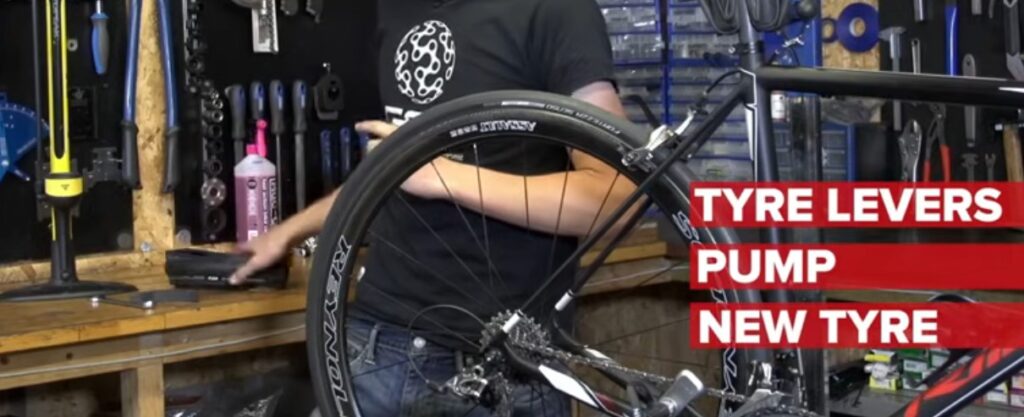
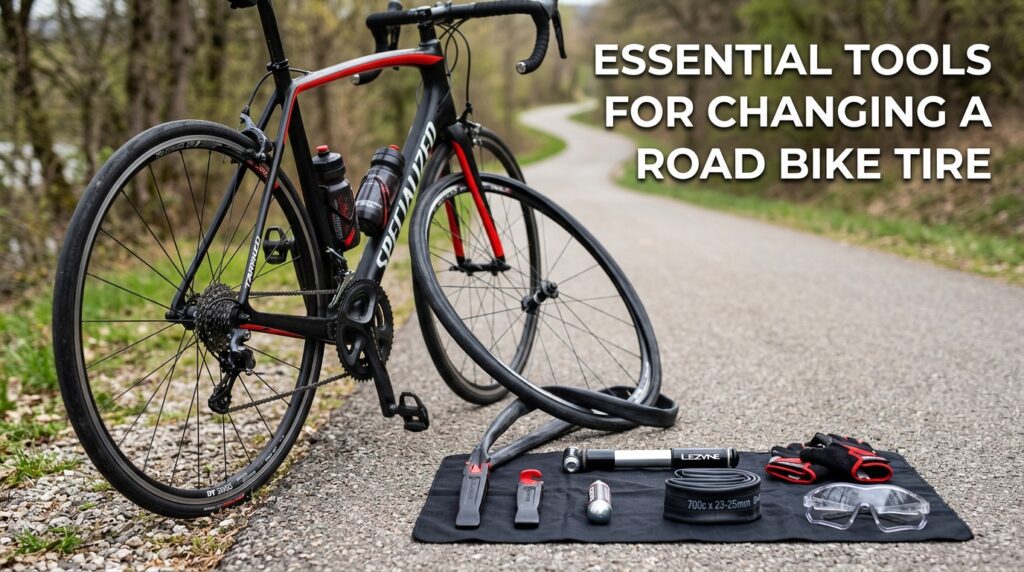
Tools You Need to Change a Bike Tire
To change your bike tire, you only need a few basic tools:
- Tire levers: Help remove the tire from the rim without damaging it
- Spare inner tube or patch kit: A new tube is quickest; a patch kit works if you don’t have a spare
- Bike pump or CO2 inflator: To inflate the tire after installing it
- Gloves: To protect your hands while working
- Goggles: To protect your eyes from debris
- Wrench: Only if your bike has nuts instead of quick-release levers to remove the wheel
You don’t need an expensive workshop these simple tools are enough to fix your bike tire at home or even during a ride.
Step-by-Step: How to Change a Bike Tire?
Remove the Old Tire and Deflate It Completely
Step 1: Remove the Wheel
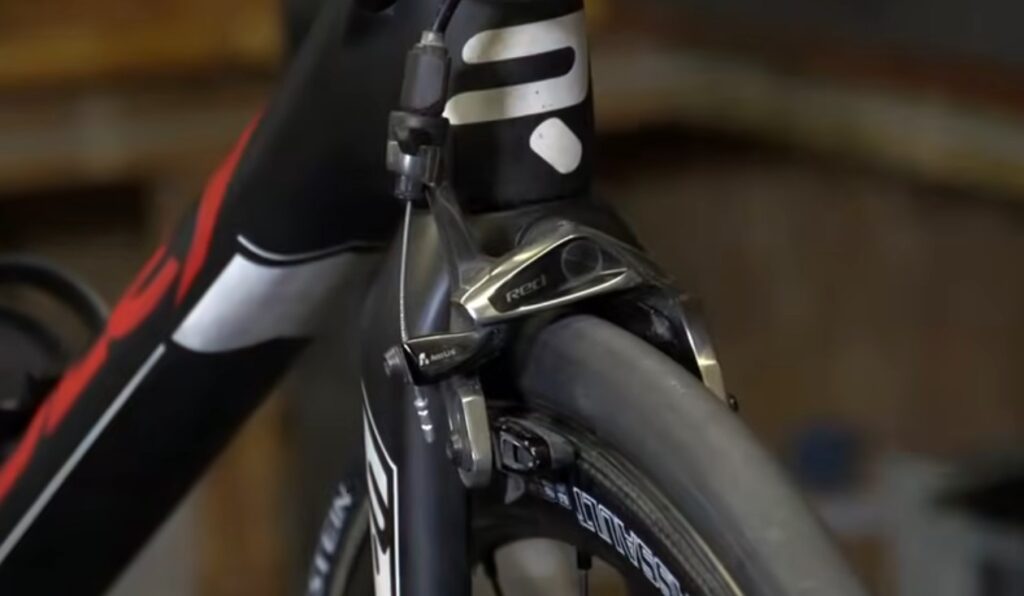
To start removing the wheel, first check what type of brakes your bike has. If you’re using rim brakes, open the brake quick-release first to give yourself more space. For disc brake bikes, you can skip this step as there is no brake mechanism blocking the wheel removal. Once the brakes are cleared, open the quick-release lever or thru-axle mechanism carefully and remove the wheel from the frame.
For rear wheels specifically, there are additional steps you should follow. First, shift your chain onto the smallest cog of the rear cassette to make removal easier. If you have a quick-release axle system, pull open the lever and spin to loosen it; you may need to unscrew the nut on the opposite side. If your bike has bolt-on axles instead, use a wrench to loosen the bolts. Finally, push the rear derailleur back so that the chain lifts away from the cog, then remove the wheel from the dropouts on the bike frame.
Step 2: Deflate the Tire Completely
Before you can remove the tire, you must deflate it completely by releasing all air from the valve. The method depends on what type of valve your tire has. If you have the wider Schrader valve (the type commonly seen on car tires), simply press down on the small pin in the center of the tire valve to release the air. If you have the thinner Presta valve, remove the plastic dust cap first, turn the small valve at the top counterclockwise, and then press down to release the air.
A completely deflated tire is much easier to remove from the rim and reduces the risk of damage to both the tire and the rim. Make sure you release all remaining air before proceeding to the next step. Press the valve multiple times to ensure no air is left in the tire. Taking time to fully deflate the tire will make the entire removal process smoother and faster.
Step 3: Remove the Inner Tube and the Tire
Once the tire is completely deflated, use a tire lever to lift one side of the tire bead over the rim. Position your tire lever on the section of your tire opposite the valve to avoid damaging the valve stem. If you have difficulty unseating the tire with just one lever, place a second lever about two or three spokes to either side of the first one. Tire levers come with a handy notch that can be secured against a spoke, keeping the lever in place while you work.
Once a section of the tire bead is free, you should be able to free the rest of the tire bead with your fingers. Work your way around the wheel until one side of the tire comes off completely. Now carefully remove the inner tube from beneath the tire by pulling the valve stem out through the rim first. The rest of the tube should slide out easily when pulled. Be very careful when pulling the valve out through the rim so you don’t damage the valve stem on the sharp edge of the rim.
Step 4: Inspect the Inside of the Tire and the Rim
Before installing a new tube, take a moment to carefully inspect the inside of the tire and the rim. Look for any small debris such as glass, thorns, or sharp stones that can remain hidden and cause an immediate puncture if not removed. Run your fingers carefully along the inside of the tire to feel for any sharp objects you might have missed with your eyes. Check both the outer surface of the tire and the inner surface for signs of damage like cuts or tears.
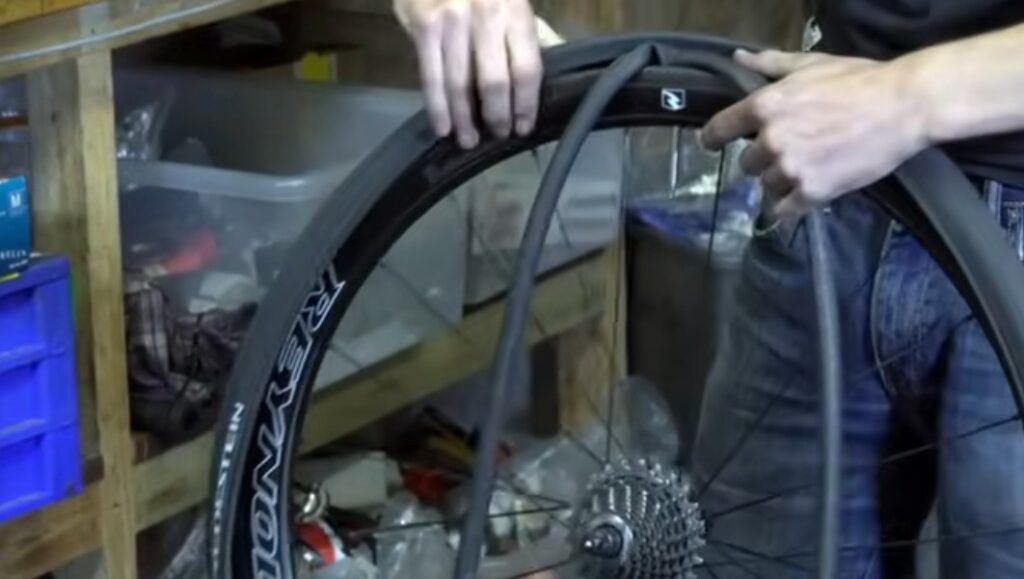
Also examine the rim carefully to ensure it is in good condition. A badly scratched, damaged, or cracked rim should be replaced, since it may negatively affect your bike’s performance. A deformed rim should be repaired by a specialist. Make sure the bottom of the rim is completely clean and free from any debris. Check that the rim tape is still properly in place; if the adhesive rim tape has come off the rim, it must be replaced as it protects your inner tube from the sharp spoke ends.
Step 5: Install Your New Bike Tire
Begin installing the new bike tire by fitting one side of the tire onto the rim. Check the tire wall for an arrow or similar symbol to indicate the direction of rotation, as some tires have a “direction specific” tread pattern that must be installed correctly. Start by positioning one side of the tire into the rim, then ease the partially inflated inner tube into the tire and locate the valve. Make sure no part of the tube is sticking out and that it sits evenly inside the tire.
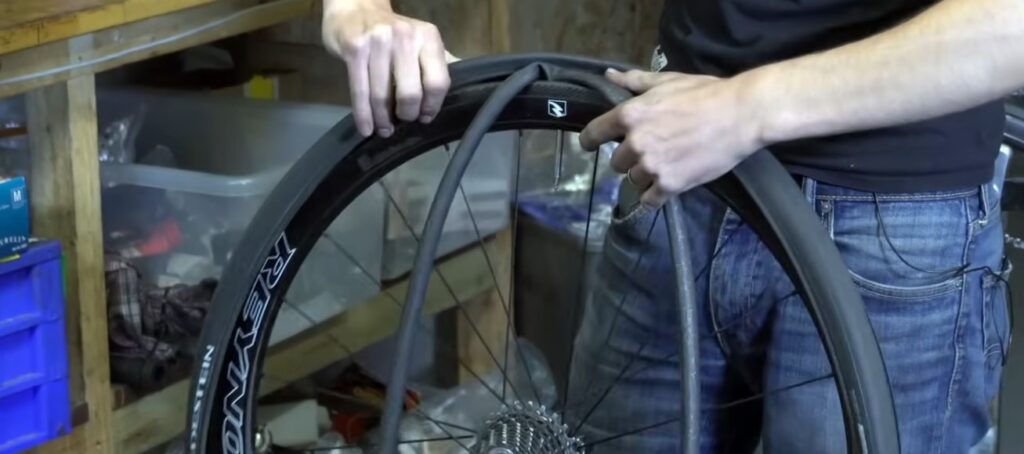
Now work on mounting the second bead of the tire. Start mounting it at the valve and work your way around the rim. The final section will feel tighter than the rest; this is normal and expected. Try to finish by hand to avoid pinching the tube, using tire levers only if absolutely necessary. Use your thumbs to ease the tire from the rim around the entire wheel, and make sure the tire is not pinching any part of the tube. When you inflate the tube, if it’s pinching the tube, it will pop and you will have to start the process all over again.
Step 6: Inflate Slowly and Check the Tire Seating
Once the tire is fully installed, inflate it gradually rather than all at once. Add a small amount of air first and check both sides of the wheel to ensure the tire bead is seated evenly on the rim. An unevenly seated bike tire can affect handling and lead to premature wear. As you inflate, look for the small molding line above the tire bead this line should run consistently above the rim all the way around the wheel.
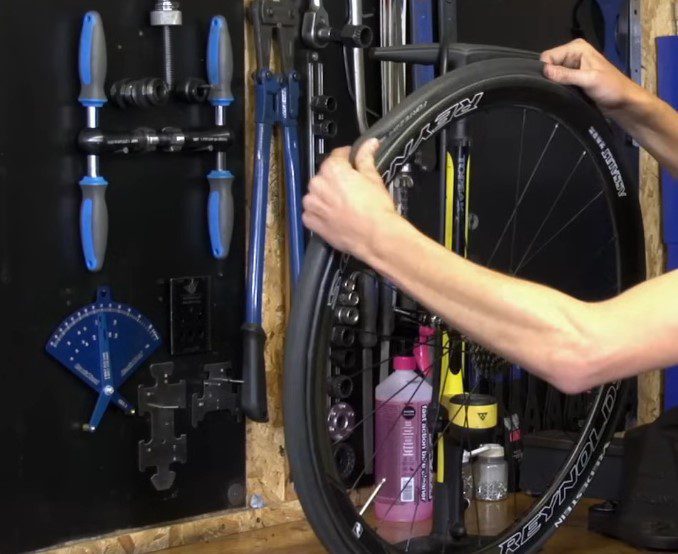
After checking alignment on both sides, continue inflating the tire to the recommended pressure printed on the sidewall. Use a pump with a pressure gauge for the best results, as this will help you achieve the exact pressure needed. Proper inflation is essential for comfort, grip, and durability. The PSI range should be clearly listed on the side of your tire. Do not exceed the maximum pressure indicated on the side of the tire as it could lead to rapid air loss and potential blowouts.
Step 7: Reinstall the Wheel
Place the wheel back into the frame, making sure it sits correctly in the dropouts. For rear wheels, make sure the wheel is properly aligned with the chain before securing it. Secure the quick-release lever or thru-axle firmly, making sure it is locked in place. If your bike has bolt-on axles, use a wrench to tighten the bolts securely.
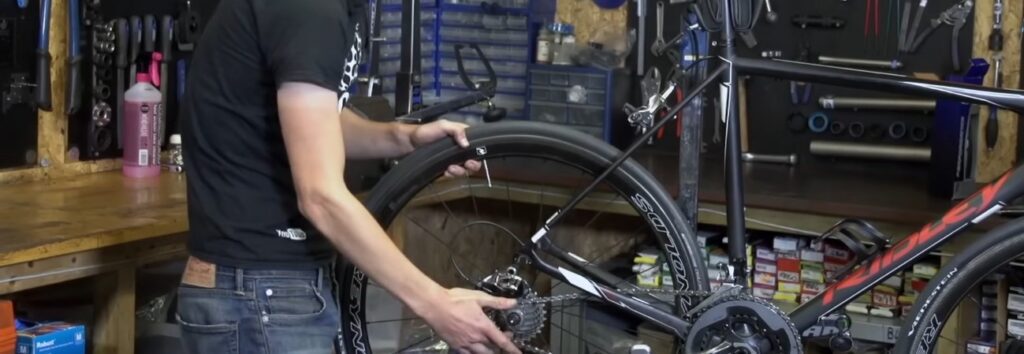
Once the wheel is secured, reconnect the brakes if necessary. For rim brake systems, make sure to close the brake quick-release that you opened at the beginning. Spin the wheel to confirm it runs freely without rubbing against the frame, brakes, or any other part of the bike. Your bike is now ready to ride, but it’s a good idea to do a test ride to ensure everything is working properly.
Important Notes for Changing a Bike Tire
A badly positioned bead can cause an imbalance in the wheel, which will affect your riding experience and tire durability. When the wheel is mounted on the bike, it is important to check the position of the brake pads in relation to the rim to avoid damaging the tire during braking. Make sure the brake pads line up correctly with the rim and have adequate clearance.
If you have a V-brake system on your bike, you need to squeeze the brake arms together to ease the tension so you can release the cable. If you have a quick-release lever on the brake, simply open the lever. These steps are essential to prevent accidentally damaging the tire when you’re working on wheel removal and installation.
Tips
Practice taking the wheel on and off your bike as often as possible, even when you don’t have a flat. The more you practice, the easier it will become when you actually have to do it by the side of the road during an emergency. This way, when you get a flat tire during a ride, you’ll be confident and efficient in your repair efforts.
If your bike has disc brakes, be careful not to touch the rotor when opening the quick-release mechanism because it can be hot enough to burn you. Also, avoid getting oil or other contaminants on your disc brakes as this can damage their braking performance. Always wash your hands after working on your bike and before touching the brake components.
Check for Damage & Inspect the Tire
Before inserting a new tube into your tire, carefully inspect the tire for sharp objects like glass, nails, or thorns that may have caused the original flat. If something can puncture your tire, it can also cut your finger, so be careful during inspection. Check the outer surface of the tire for any signs of damage such as cuts, tears, or embedded objects that need to be removed.
Also thoroughly inspect the inner surface of the tire and the entire rim for any similar damage or debris. Make sure all sharp or foreign objects are removed from inside the tire casing before you proceed with installing the new tube. This inspection step is crucial because leaving behind even one small sharp object will result in another flat tire very soon after you finish your repair.
Step 8: Install the New Tube or Patch the Old Tube
If you’re using a new tube, inflate it slightly so it has some shape but is not fully inflated. This helps it hold its form and makes it easier to insert into the tire without twists or kinks. If you’re patching an old tube instead, follow the instructions that come with your patch kit carefully. Wash up and dry the damaged area, and rubbing down the damaged surface with sandpaper will help the glue adhesive stick better to the tube.
Once the tube is ready, insert it into the tire starting with the valve, making sure it fits snugly all the way around without any twists. The tube should be pliable when pressed at this stage. If you are using a latex tube, sprinkle talcum powder on it to prevent it from sticking to the inside of the tire. Make sure no part of the tube is sticking out of the tire before you proceed to the next step.
Step 9: Reattach the Tire to the Rim
Use your hands to work the tire bead back onto the rim, starting on the side opposite the valve and finishing near the valve to make sure everything fits securely. Work your way around the rim gradually, taking your time to ensure the tire seats properly. Make sure the tire is firmly in place by moving it from side to side and checking that it sits evenly all the way around.
After you’ve worked the tire back onto the rim, it’s crucial to check that the tube is not pinched between the tire and rim. A pinched tube can cause another flat or blowout once inflated, which means you’ll have to start your repair all over again. Carefully inspect the entire circumference of the tire to ensure proper seating before moving on to inflation.
Test the Tire
Give the tire a quick spin to make sure it’s properly aligned and not rubbing against the brakes or frame. Inflate to low pressure first and inspect the bead again on both sides of the wheel. Look for the small molding line above the bead this line should run consistently above the rim all the way around the wheel.
If the molding line is uneven or the tire appears to be rubbing against something, deflate it slightly and adjust the tire position on the rim. Once everything looks good and the tire appears properly centered with even spacing all around, you’re ready to get back on the road and enjoy your ride.
How Long Do Bike Tires Last?
Bike tire lifespan depends on how you ride and how much you use your bike. If you ride a lot, tires wear out quickly. Road conditions also matter if the road is damaged, rough, or cracked, tires wear out faster.
Generally, bike tires last 2500 to 3500 kilometers. Rear tires need to be changed more often than front tires because the rear tire carries more weight and also handles the braking force.
Final Tips
Practice at Home To overcome any fears of fixing a flat bike tire, practice doing it several times at home until it becomes routine and second nature. The more you practice, the more confident and quick you’ll become at roadside repairs.
Safety First If you get a flat tire in an unsafe place like a busy road, don’t try to fix it there. Walk your bike to a safe public place or away from traffic before attempting your repair to protect yourself from danger.
Regular Tire Maintenance Knowing how to change a bike tire is important, but maintaining your tires properly extends their lifespan and ensures better performance. Regularly check your tire pressure and keep it within the recommended range specified by the tire manufacturer. Inspect your tires frequently for cuts, embedded objects, or uneven wear patterns.
Always Be Prepared Keep a spare tube, tire levers, patch kit, and pump or CO2 inflator in your bike bag at all times so you’re ready for any emergency. This ensures you won’t be stranded if you get a flat tire during a ride.
Follow ABC’s Before Every Ride Learn your ABCs of bike maintenance Air (tire pressure), Brakes, and Chainand check them before every ride. Properly inflated tires are less likely to get punctures and make for a smoother, safer ride. Topping off your bike tires before you head out helps ensure you have a great and trouble-free ride.
FAQ’s
Can you change a bike tire yourself?
Yes, you can easily change a bike tire yourself with basic tools and practice at home.
What tools do I need to replace a bike tire?
You need tire levers, a spare tube or patch kit, a bike pump or CO2 inflator, and optionally a wrench if your bike has bolt-on axles.
How to remove bike wheel with allen key?
Use the Allen key to loosen the bolts on the axle, then remove the wheel from the frame dropouts.
How hard is it to change tires on a motorcycle?
Changing motorcycle tires is much harder than bike tires because you need special equipment, expertise, and it’s usually done by professionals at a shop.

Mason Carter is an automotive technician helping drivers master tire maintenance with clear, practical guides. With years of hands-on experience, he breaks down complex tire care into simple, actionable steps for every skill level.
Through HowToChangeATires.com, Mason simplifies complex automotive concepts into clear, actionable guides that empower vehicle owners to take control of their maintenance. Whether you’re a first-time tire changer or looking to refine your skills, Mason’s detailed tutorials and expert tips ensure you have the knowledge and confidence needed for the job.
1 thought on “How to change a bike tire”